When temperatures drop below freezing in Sheboygan, your car battery faces its toughest test of the year. If you’ve ever turned the key on a frigid Wisconsin morning only to hear that dreaded clicking sound, you know exactly how winter exposes weak car batteries. The good news? Understanding why cold weather causes battery failure and taking preventive steps can save you from being stranded in your driveway. At NexGen Automotive, we help drivers throughout Sheboygan, Kohler, and Plymouth keep their vehicles starting strong all winter long with professional battery diagnostics and reliable service.
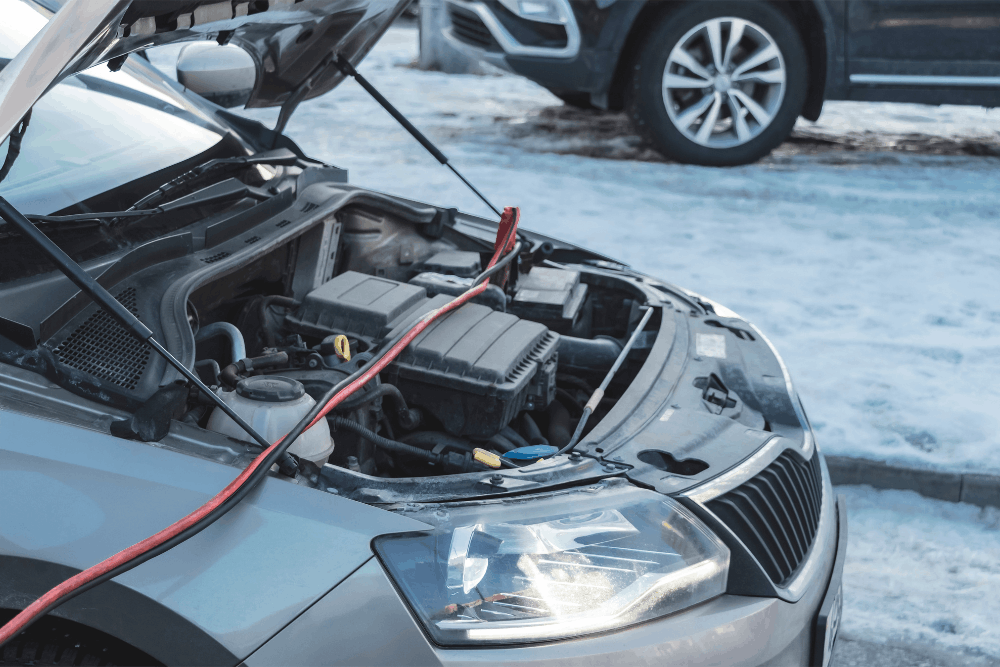
Winter doesn’t just make your battery work harder; it reduces its ability to perform. A battery that seemed fine in September can suddenly fail in mid-winter because cold temperatures slow down the chemical reactions inside the battery that produce electrical current. Meanwhile, your engine requires more power to start when it’s cold because the oil thickens and components become harder to turn. This creates a perfect storm where your battery has less power available right when your vehicle needs more power to start.
How Cold Weather in Sheboygan Weakens Your Car Battery
The Science Behind Cold Start Issues
Your car battery relies on chemical reactions between lead plates and sulfuric acid to generate electricity. When temperatures drop, these reactions slow significantly. At 32°F, a healthy battery loses about 35% of its strength. When the thermometer hits 0°F (common in Wisconsin winters), that battery can lose up to 60% of its cranking power.
Meanwhile, your engine demands nearly twice as much power to start in freezing conditions. Thicker engine oil creates more resistance, and cold fuel doesn’t vaporize easily. Your battery must work harder precisely when it has less capacity available.
Why Weak Car Batteries Fail First
Batteries don’t fail suddenly. Most weaken gradually through normal use, and winter reveals problems that were already developing:
- Internal corrosion reduces the lead plate surface area for chemical reactions
- Sulfation buildup on battery plates decreases charging efficiency
- Electrolyte stratification prevents acid from mixing properly with water
- Age-related capacity loss means older batteries can’t hold a full charge
A battery weakening all year might still start your car in summer, but it won’t have enough reserve capacity for Wisconsin’s harsh winters. That’s why battery failures spike dramatically in January and February across Sheboygan.
Warning Signs Your Battery Won't Survive Winter
Slow Engine Cranking
The most obvious sign of a weak car battery is slow engine cranking before starting. If you notice the starter motor turning over more sluggishly than usual, especially on cold mornings, your battery is struggling. Don’t ignore this because each slow start puts additional strain on both your battery and starter motor.
Dimming Lights and Electrical Issues
Pay attention to your dashboard lights and headlights when you first start your vehicle. If they appear noticeably dimmer than normal or brighten after the engine starts, your battery isn’t maintaining proper voltage. You might also notice:
- Interior lights that dim when you use the power windows
- A radio that loses its settings more frequently
- Dashboard warning lights that flicker briefly during startup
- Delayed response when using electric accessories
Battery Age and Appearance
Most car batteries last three to five years under normal conditions, but Wisconsin’s extreme temperature swings can shorten that lifespan. Check the manufacturing date on your battery (usually stamped on a sticker or molded into the case). If your battery is approaching four years old, it’s living on borrowed time.
Also, inspect the battery case itself. Look for these physical warning signs:
- Bulging or swollen battery case
- Corrosion around the terminals (white, blue, or green crusty deposits)
- Cracks in the plastic housing
- Loose terminal connections
Common Car Battery Issues for Sheboygan Drivers
Wisconsin’s lake-effect weather creates specific challenges for Sheboygan-area drivers. The combination of freezing temperatures, road salt exposure, and high humidity accelerates battery terminal corrosion and can lead to unexpected failures. If you’ve noticed any of the warning signs above, especially during cold snaps, don’t wait for your battery to fail completely. Our technicians understand the unique demands that Wisconsin winters place on vehicle electrical systems.
How to Prevent Winter Battery Failure in Sheboygan, WI
Schedule a Professional Battery Test
Don’t wait for a dead battery to strand you in the cold. At NexGen Automotive, we use professional-grade diagnostic equipment to thoroughly test your battery’s health and charging system performance. Our battery testing service evaluates:
- Cold cranking amps (CCA) compared to manufacturer specifications
- State of charge percentage
- Internal resistance indicates battery health
- The charging system output ensures your alternator works properly
This comprehensive test provides accurate information about whether your battery will survive winter. We provide honest recommendations based on real data, never pushing unnecessary replacements.
Visit us at 1453 N 40th St, Sheboygan, WI 53081, or call 920-803-0204 to schedule your battery test.
Keep Your Battery Terminals Clean
Corrosion on battery terminals creates electrical resistance that makes your battery work harder. Even a small amount of buildup can prevent proper charging and reduce available starting power.
Our technicians check your battery terminals to ensure connections are tight, clean, and properly protected against corrosion. We’ll remove any crusty deposits and apply protective coating to prevent future buildup. This simple maintenance step can significantly extend your battery’s life and prevent starting problems during cold Sheboygan mornings.
Limit Short Trips in Cold Weather
Your alternator needs time to recharge the battery after starting your engine. In winter, this recharging process takes longer because the battery accepts a charge more slowly in cold temperatures. If you frequently take short trips (under 15 minutes), your battery never fully recharges, gradually draining its reserve capacity.
When possible during winter, combine errands into longer trips that give your charging system time to replenish the battery. If your daily routine involves mostly short drives, consider having your battery and charging system tested more frequently.
Consider Battery Replacement Before Problems Start
If your battery is more than three years old and showing warning signs, replacing it before winter is smart preventive maintenance. A new battery costs far less than the inconvenience and potential towing charges from being stranded in freezing weather. Modern batteries also offer:
- Higher cold cranking amp ratings for Wisconsin winters
- Better resistance to vibration and temperature extremes
- Improved reserve capacity for vehicles with multiple electrical accessories
The Complete Sheboygan Winter Battery Maintenance Approach
Preventing battery failure requires more than just the battery itself. Your vehicle’s entire electrical and starting system must work together efficiently, especially when facing sub-zero temperatures common in Wisconsin.
Charging System Health Matters
Your alternator does more than just recharge the battery; it powers all electrical systems while the engine runs. A failing alternator might not fully recharge your battery, causing it to gradually weaken even if the battery itself is still good. Warning signs of charging system problems include:
- The battery warning light on your dashboard
- Flickering or unusually bright headlights
- Strange smells from the alternator area
- Whining or grinding noises from the alternator pulley
We test your entire charging system as part of our comprehensive battery service, ensuring everything works together properly.
Starter Motor Condition
A worn starter motor draws excessive current from your battery, making even a healthy battery appear weak. If you notice grinding noises during starting or if the starter engages inconsistently, the problem might not be your battery at all. Our diagnostic process identifies whether you’re dealing with weak car batteries, starter problems, or both.
Parasitic Drain Detection
Modern vehicles have computers and systems that draw small amounts of power even when parked. Normally, this drain is minimal, but faulty modules, stuck relays, or aftermarket accessories can drain your battery overnight. If your battery goes dead after sitting for just a day or two, you likely have a parasitic drain issue.
Finding parasitic drains requires specialized diagnostic equipment and systematic testing. Our technicians have the training and tools needed to track down these electrical problems that many shops struggle to diagnose.
Why Battery Problems Peak in January and February
You might wonder why batteries seem to fail most often in the coldest months rather than gradually throughout winter. Several factors explain this pattern:
- Accumulated strain from months of cold weather weakens batteries progressively. A battery that survived November might not have enough capacity left by February after months of difficult cold starts.
- Holiday driving patterns often involve the vehicle sitting unused for days during travel or vacation, allowing the battery to discharge without the regular recharging provided by daily commuting.
- Extreme cold snaps that push temperatures near or below zero create conditions where even moderately weak batteries simply can’t provide enough cranking power. These Arctic blasts hit the Sheboygan area almost every winter.
- Increased electrical loads from heated seats, defrosters, and windshield wipers put additional strain on both the battery and charging system during winter driving.
By scheduling car battery service before the coldest weather arrives, you avoid becoming another winter breakdown statistic. Preventive maintenance is always less expensive and more convenient than emergency service.
What Makes NexGen Automotive Your Best Choice for Battery Service in Sheboygan
- Professional Battery Testing: We don’t guess. We use professional-grade equipment to measure your battery’s health and test your entire charging system to identify the root cause of any power issues.
- Premium Parts & Better Warranties: We install high-quality batteries specifically chosen for Wisconsin’s harsh winters.
- Honesty & Integrity: We treat you like family. If your battery still has life, we’ll tell you. We provide transparent test results so you only pay for the services you truly need.
- Certified Expertise: As a NAPA Auto Care Center, our ASE-certified technicians undergo continuous training to ensure your battery service is performed correctly and efficiently the first time.
- Industry-Leading Warranty: Our 3-year/36,000-mile warranty gives you long-term confidence in our work.
FAQs About Winter Car Batteries and Cold Weather Starting
Why do car batteries fail more often in cold weather?
Cold weather reduces a battery’s chemical reaction rate, cutting available power by up to 60% at 0°F, while engines need nearly twice the power to start. This mismatch causes weak batteries to fail.
How can I tell if my car battery is too weak to handle winter temperatures?
Signs include slow engine cranking, dimming lights during startup, batteries older than three years, and visible corrosion or damage to the battery case. Professional battery testing provides the most accurate assessment of winter readiness before problems leave you stranded.
What is the best way to prevent battery failure in freezing conditions?
Have your battery professionally tested before winter, keep terminals clean and tight, avoid frequent short trips that prevent full recharging, and replace batteries older than three years. Quality preventive maintenance costs far less than emergency towing and repairs.
How often should I test or replace my car battery in Wisconsin winters?
Test your battery annually before winter, especially if it’s more than two years old. Most batteries last three to five years, but Wisconsin’s extreme temperature swings can shorten lifespan, making preventive replacement around the four-year mark a wise investment.
Can NexGen Automotive diagnose and replace weak car batteries near Sheboygan?
Yes, NexGen Automotive provides comprehensive battery testing using professional diagnostic equipment and offers honest recommendations based on your battery’s actual condition. We serve Sheboygan, Kohler, and Plymouth with quality battery installations and expert electrical system diagnostics.
Schedule Your Winter Car Battery Service in Sheboygan, WI Today!
Don’t wait until you’re stranded in a frozen parking lot to address weak car batteries. Professional testing takes just minutes and reveals your battery’s ability to survive Wisconsin’s harsh winters. At NexGen Automotive, our ASE-certified technicians use advanced diagnostic equipment to provide accurate, honest assessments.
Whether you need battery testing, charging system diagnosis, or complete car battery replacement, we deliver top-tier service with clear explanations. Our 3-year/36,000-mile warranty offers the best protection in the Sheboygan area.
Visit NexGen Automotive at 1453 N 40th St, Sheboygan, WI 53081, or call 920-803-0204 to schedule your appointment. We’ll ensure your vehicle starts reliably all winter long. Keep your family safe and avoid cold start frustrations by taking action today.